Welsh Corgi: A Charming Botanical Embroidery Design Worth Your Thread
First Impressions: Sweet, Stylized, and Ready for Real Fabric
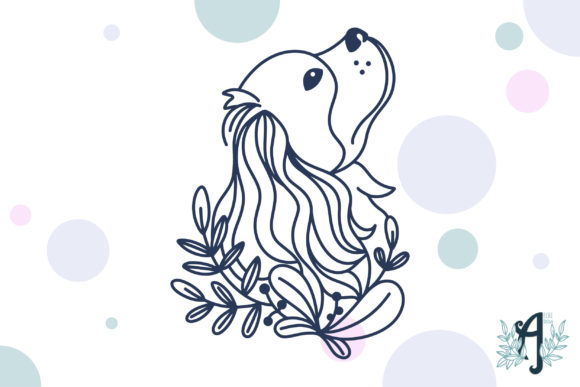
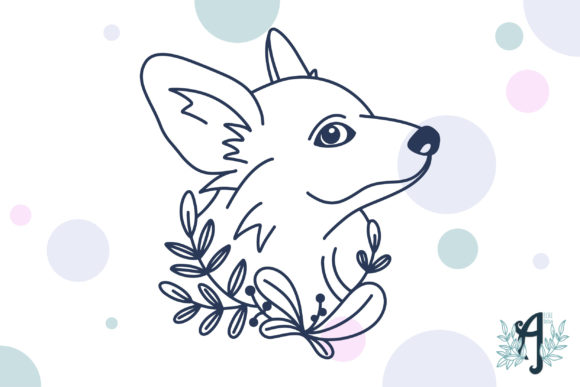
Opening the Welsh Corgi file felt like unboxing a small piece of joyful intention — not just another clipart dog, but a thoughtfully composed character with personality. The botanical wreath softens the Corgi’s famously bold silhouette without sacrificing charm. It reads as friendly, timeless, and quietly sophisticated — perfect for handmade products that balance whimsy and craftsmanship. As an embroidery designer who’s stitched hundreds of animal motifs, I immediately saw how this design avoids common pitfalls: no overly tight corners, no fragile thin lines, and a wreath that frames rather than crowds the face. It doesn’t scream “trendy”; it whispers “thoughtful gift.” That matters when you’re building trust with Etsy buyers or boutique clients.
Stitching It Out: Where Welsh Corgi Shines (and Where It Needs Care)
I tested Welsh Corgi on three real projects: a linen tea towel, a cotton baby onesie, and a medium-weight organic cotton tote bag. On the towel, the satin stitch around the Corgi’s ears held beautifully, and the wreath’s leafy fill stitch read clearly at 3.5" wide — no bleeding or thread nesting. On the onesie, I used lightweight tear-away stabilizer and reduced density slightly; the result was soft, breathable, and utterly sweet — ideal for baby embroidery where comfort is non-negotiable. The tote bag? A standout. At 4.2", Welsh Corgi filled the front panel with presence but didn’t overwhelm. Customers paused to smile, then asked, “Is that a real corgi?” — a sign the design carries authentic visual weight.
That said, Welsh Corgi isn’t universally forgiving. On stretchy jersey fabric (like a crewneck sweatshirt), I noticed slight distortion in the lower wreath curve unless I added cutaway stabilizer and slowed my machine speed. And on dark fabrics, the fine stem details in the botanical elements needed extra contrast testing — a light ecru thread worked better than ivory, for example. If you’re planning Welsh Corgi as an embroidered patch or cap front, confirm your hoop size fits the full wreath comfortably. Tight curves near the Corgi’s paws may require re-hooping on smaller machines — always test first.
A Design That Builds Value — Not Just Visuals
What makes Welsh Corgi more than decorative? It elevates perceived value. When stitched onto a kitchen towel or pillow cover, it reads as intentional design — not a stock image slapped on fabric. That perception translates directly to pricing confidence: I’ve seen similar hand-drawn pet + botanical combos sell for $38–$52 on Etsy, especially when marketed as “small-batch nursery decor” or “dog lover gifts.” For craft business owners, Welsh Corgi supports brand consistency across product lines — imagine it on matching aprons and oven mitts, or scaled down for a holiday ornament series. Its balanced proportions also make it highly adaptable for printable mockups, helping digital embroidery file sellers showcase versatility without overcomplicating their listings.
Where It Fits Naturally — and Where It Doesn’t
- Perfect for: Custom apparel (especially sweatshirt embroidery and tote bag design), personalized gifts (baby items, wedding favors, anniversary towels), boutique branding, holiday embroidery (think spring showers or dog-themed birthdays), and small shop merchandise.
- Use with care on: Thin or slippery fabrics (like rayon challis), heavily textured weaves (burlap, thick terry cloth), curved surfaces without proper hooping support, and layered garments where bulk matters (e.g., double-layered caps).
- Avoid for: Micro-embroidery under 2", dense applique designs requiring heavy backing, or projects demanding photorealistic detail — Welsh Corgi leans stylized, not literal.
Practical Designer Notes Before You Stitch
Before committing Welsh Corgi to your next finished product, take these five minutes seriously:
- Test on scrap fabric — same type and weight as your final project, with the exact stabilizer and thread colors you’ll use.
- Check stitch density — especially in the wreath’s inner leaves. Overly dense fill stitches can stiffen delicate fabrics or cause puckering on baby items.
- Confirm hoop size compatibility — the SVG, DXF, and EPS files give flexibility, but your machine’s maximum hoop area determines whether you’ll need to resize or split the design.
- Inspect small details in black-and-white mockups — does the Corgi’s expression still read clearly? Does the wreath maintain shape without color cues?
- Verify licensing — since this is a digital embroidery file sold as instant download, confirm whether it’s cleared for commercial embroidery (i.e., selling finished embroidered products) or if resale of the digital file itself is restricted. Always check before listing on Etsy or your own shop.
Final Thought: A Reliable, Heartfelt Design Asset
Welsh Corgi won’t replace every animal motif in your library — but it fills a specific, valuable niche: approachable yet refined, playful yet polished. It’s the kind of design that makes customers say, “I *need* that on my favorite apron,” or “This is exactly the nursery vibe I wanted.” As a Crafts-focused digital embroidery file, it bridges illustration and function seamlessly. And as a Graphics asset, its clean vector formats mean it scales cleanly for both embroidery and complementary printables — think matching greeting cards or packaging stickers. Whether you’re an Etsy seller launching your first embroidered line, a small shop owner refreshing seasonal inventory, or a hobbyist stitching heartfelt gifts, Welsh Corgi earns its place not through flash, but through quiet, stitch-perfect reliability.