Rottweiler: A Botanical Dog Design That Stitches With Charm
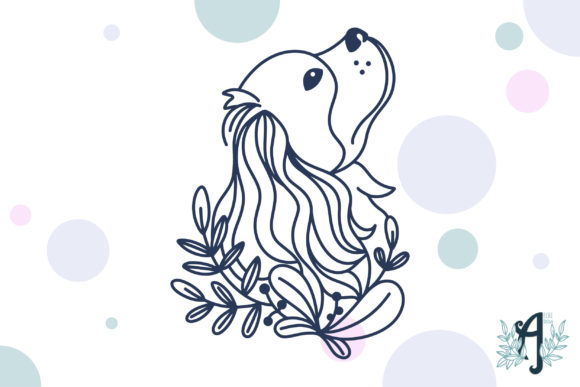
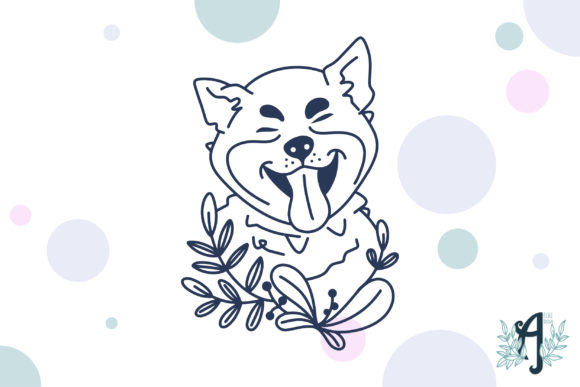
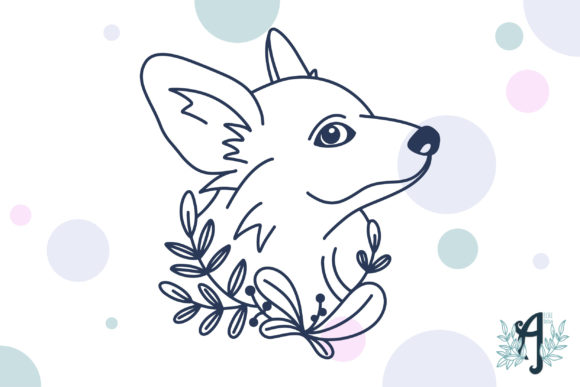
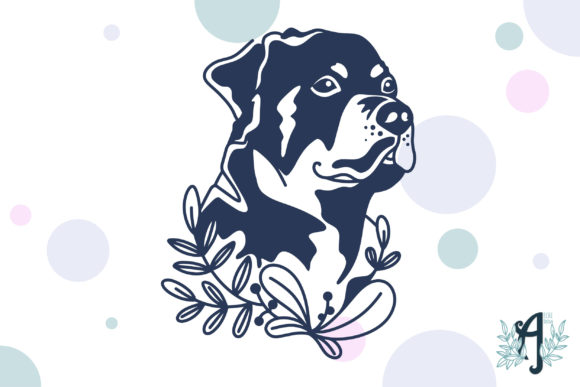
As someone who’s stitched hundreds of animal motifs—from playful poodles to stoic bulldogs—I opened the Rottweiler embroidery file expecting another stylized pet graphic. What I found was something more intentional: a warm, balanced fusion of canine character and botanical softness. It’s not just a dog in a wreath—it’s a design that breathes. The Rottweiler’s face is simplified but expressive, with gentle eyes and subtle muzzle definition, framed by flowing leaves and delicate florals that curve naturally around its head. No sharp corners, no aggressive angles—just approachable confidence. That mood matters deeply when you’re stitching for real people: parents choosing baby onesies, boutique owners curating nursery decor, or Etsy sellers building a cohesive seasonal collection.
How Rottweiler Lands on Real Fabric (Not Just Screens)
I tested Rottweiler on a medium-weight cotton tote bag first—my go-to for quick functional checks. Right away, the layout proved smart: the circular wreath creates an inherent hoop-friendly boundary, and the dog’s face sits comfortably centered without crowding edges. On fabric, the botanical elements read as texture, not clutter. That’s critical for machine embroidery design—too many tight curls or overlapping stems can turn into dense, stiff fill stitch zones that pucker thin fabrics or resist stabilizer hold. Here, the leaves have open spacing and gentle tapering, so satin stitch outlines stay crisp and running stitch accents (like vine tendrils) don’t vanish under thread buildup.
For custom apparel, Rottweiler shines on sweatshirts and relaxed-fit tees—fabrics with enough body to support moderate stitch density without distortion. I tried it on a lightweight jersey too, and while it held up, I’d recommend pairing it with tear-away + cut-away stabilizer combo and reducing stitch density slightly in the wreath’s outer foliage. On baby embroidery projects—think burp cloths or knit caps—the face detail stays legible even at 3.5" width, but I’d skip the finest leaf tips if stitching below 3". That’s not a flaw; it’s a practical heads-up for small hoop sizes or stretchy fabric where tiny details blur.
Where This Design Earns Its Keep (and Where to Pause)
Rottweiler feels tailor-made for handmade product lines that balance personality with polish: embroidered pillow covers for a modern nursery, tea towels for a dog-loving kitchen brand, or patches sewn onto denim aprons for a local bakery. Its botanical framing gives it quiet versatility—it doesn’t scream “pet lover” so loudly that non-dog owners feel excluded. That subtlety boosts giftability, especially for wedding or holiday embroidery where sentiment matters more than literal subject matter.
That said, tread thoughtfully on dark fabric. The PNG files include transparent backgrounds, which is great for mockups—but in real stitching, the wreath’s lighter inner leaves rely on contrast. On navy or charcoal, I’d adjust thread colors intentionally: maybe a heather gray for stems and ivory for petals, rather than default black-on-black. And on curved surfaces like caps? The design’s round composition helps, but avoid placing it too low on the crown where fabric tension distorts the wreath shape. Test it on scrap cap fabric first—stabilizer choice becomes non-negotiable there.
What Buyers—and Your Business—Actually Gain
When customers see Rottweiler on your Etsy listing or shop wall, they’re not just buying a dog motif. They’re responding to cohesion: the way the botanical theme elevates the Rottweiler from mascot to motif, the care implied in balanced negative space, the handmade product warmth that digital-only graphics often lack. That perception directly affects customer trust and perceived value. A well-executed Rottweiler on a linen pillow cover reads as intentional branding—not a clipart afterthought.
For craft business owners, this design works double duty: it’s strong as a finished product (embroidered patch, tote bag design) and equally useful as design assets for printable mockups or social media visuals. The SVG and EPS files let you resize cleanly for labels or packaging; the 300 dpi PNGs hold up in digital embroidery file previews. Just remember—this is a Graphics asset, not a pre-digitized embroidery file. If you’re new to digitizing, factor in time (or budget) to convert it properly for your machine. And always confirm licensing before selling finished items or bundling it into commercial embroidery kits.
Designer Notes You’ll Actually Use
- Test before committing: Stitch Rottweiler on scrap fabric matching your final project’s weight and stretch—even if it’s just a corner swatch.
- Check thread color contrast early: Lay out your planned palette beside the design on screen, then hold actual thread against a printed version. What looks balanced digitally may mute on dark fabric.
- Review stitch density in the wreath: Dense fill areas near the dog’s ears or wreath base can cause puckering on lightweight cotton or knits. Adjust density or simplify stems if needed.
- Confirm hoop size fit: Measure the design’s widest point in your embroidery software. If it’s within 4"–5", it’s versatile across most home machines—but verify before hooping.
- Inspect small details at actual stitch scale: Zoom in on leaf tips and facial features. If they’re under 1.5mm wide, they may not resolve cleanly on textured fabric or with standard 40-weight thread.
- Mock it in black and white: Convert a PNG to grayscale. Does the Rottweiler’s expression still read clearly? Do wreath layers retain separation? This reveals contrast issues before stitching.
- Use proper stabilizer: Medium-weight cut-away for knits, tear-away for stable wovens, and fusible + tear-away for lightweight linens.
- Verify commercial use rights: Since this is listed as a Crafts/Graphics download, review the seller’s license terms before selling physical embroidered products or reselling digital files.
In short—Rottweiler isn’t flashy, and it shouldn’t be. It’s thoughtful. It’s adaptable. And when stitched with attention to fabric, stabilizer, and thread, it delivers that quiet confidence every handmade product needs: the kind that makes someone pause, smile, and say, “I need that.” Not because it’s loud—but because it feels right.